Top Middle Grade Graphic Novels in Spanish
Last Updated on July 27, 2025 by Reina Victoria
Our family really enjoys reading graphic novels in Spanish. They’re fun, engaging and generally a lot easier to finish than a traditional chapter book.
Learning a new language can be easier and more engaging when you use resources that are fun! Reading Spanish graphic novels has been a great way to improve my own Spanish language skills and to engage my daughter with Spanish reading.
In this post, I’ll share why I think reading graphic novels vs. traditional chapter books is okay, what the difference is between middle grade graphic novels and those for adults, and what our top picks are!
This post contains affiliate links. If you click an affiliate link and make a purchase, I earn a small commission which supports this blog at no additional cost to you. Please see the Privacy Policy for details. Thank you for supporting me!
Table of Contents
Must-Read Spanish Graphic Novels For Middle Grades
When looking for a great graphic novel to read to improve your Spanish, think about what your preferences are:
Do you want a story that you already know in English that has been translated into Spanish or an original story told in Spanish?
Are you looking for a story that was originally printed as a graphic novel or one that has been adapted from a traditional chapter book?
Since the market is finally starting to meet reader demand for graphic novels, here are my family’s top picks for middle grade Spanish graphic novels!
Looking for even more graphic novel inspiration? I’ve rounded up a list of standout graphic novels in Spanish for adults and for young readers – be sure to check them out!
Looking for graphic novels for different ages? Check out these articles!
Spanish Graphic Novels (better for teens or adults)
Graphic Novels for Kids in Spanish (better for elementary school kids or kids learning to read in Spanish)

Srta. Quinces by Kat Fajardo
*(Spanish edition available as: Srta. Quinces)
Why it works well as a middle grade Spanish graphic novel:
Srta. Quinces is a heartfelt, coming-of-age Spanish graphic novel that blends humor, family tension, and cultural identity. It follows Sue, a Honduran-American tween forced to spend her summer in Honduras and plan a surprise quinceañera she never wanted. This title resonates especially well with bilingual or bicultural readers and offers a relatable entry point into more nuanced Spanish language stories.
Key details:
- Themes: Family, identity, cultural expectations, growing up
- Language complexity: Intermediate — conversational Spanish with cultural references
- Illustrations: Full-color, expressive, and rich with visual context clues
- Best for: Ages 10–14; great for bilingual readers or heritage speakers
- Notes for nonnative speakers: Some regional vocabulary, but visuals and context support comprehension; ideal for shared reading or classroom discussions

Lightfall: La última llama by Tim Probert
*(Spanish edition of Lightfall: The Last Flame)
Why it works well as a middle grade Spanish graphic novel:
Lightfall: La última llama is a gorgeously illustrated fantasy adventure that takes readers on a journey through a magical world full of strange creatures, ancient secrets, and deep emotional themes. With beautiful visuals and a brave, anxious heroine, this Spanish graphic novel is perfect for middle grade readers who love epic quests and imaginative world-building.
Key details:
- Themes: Courage, friendship, anxiety, fantasy, perseverance
- Language complexity: Intermediate — descriptive and poetic in places, but supported by visuals
- Illustrations: Lush, full-color artwork that builds a detailed fantasy world and supports comprehension
- Best for: Ages 10–14; ideal for fantasy fans and visual learners
- Notes for nonnative speakers: Some fantasy vocabulary, but clear storytelling and visuals make it approachable; great for kids ready to explore deeper, more layered Spanish books for kids

Alérgica by Megan Wagner Lloyd
*(Spanish edition of Allergic)
Why it works well as a middle grade Spanish graphic novel:
Alérgica is a sweet and relatable story about Maggie, a girl who dreams of having a pet—until she finds out she’s severely allergic to animals. This Spanish graphic novel for kids tackles topics like friendship, identity, and coping with disappointment, all in a warm and realistic tone. It’s a great choice for young readers looking to connect with everyday emotions in Spanish.
Key details:
- Themes: Friendship, belonging, chronic illness, empathy
- Language complexity: Intermediate — realistic dialogue, emotionally accessible
- Illustrations: Full-color, soft and expressive illustrations that support context
- Best for: Ages 8–12; especially appealing to animal lovers and sensitive readers
- Notes for nonnative speakers: Easy to follow thanks to visual cues and familiar situations; a good choice for independent reading or parent-child read-alouds in Spanish


Alas de Fuego: La profecía (Novela gráfica) by Tui T. Sutherland
*(Spanish graphic novel edition of Wings of Fire: The Dragonet Prophecy)
Why it works well as a middle grade Spanish graphic novel:
Alas de Fuego: La profecía plunges readers into an epic fantasy world of dragons, destiny, and rebellion. This Spanish graphic novel adaptation of the bestselling Wings of Fire series follows five young dragonets raised in secret to fulfill a prophecy and stop a war. With action-packed panels and vivid visuals, it’s a fantastic choice for fantasy-loving middle grade readers learning Spanish.
Key details:
- Themes: Prophecy, friendship, war, destiny, courage
- Language complexity: Intermediate to advanced — includes fantasy terms and layered dialogue
- Illustrations: Full-color, dramatic artwork that enhances world-building and action scenes
- Best for: Ages 10–14; especially great for readers who love dragons and epic quests
- Notes for nonnative speakers: Rich fantasy vocabulary may challenge newer learners, but visuals provide helpful context; best for confident readers or guided reading

El mundo de Frankie by Aoife Dooley
*(Spanish edition of Frankie’s World)
Why it works well as a middle grade Spanish graphic novel:
El mundo de Frankie is a heartfelt and humorous Spanish graphic novel about a neurodivergent girl trying to figure out where she fits in. With its relatable school setting, honest voice, and dynamic illustrations, it offers an inclusive, empowering story for kids who feel different — and for anyone learning to embrace who they are.
Key details:
- Themes: Autism, identity, friendship, inclusion, self-acceptance
- Language complexity: Intermediate — simple sentence structure with expressive, emotional tone
- Illustrations: Bold, high-contrast artwork that mirrors Frankie’s unique perspective
- Best for: Ages 9–13; especially valuable for kids who are neurodivergent or seeking inclusive stories
- Notes for nonnative speakers: Clear visuals and conversational language make this a supportive read for learners; great for sparking conversations in Spanish about empathy and identity
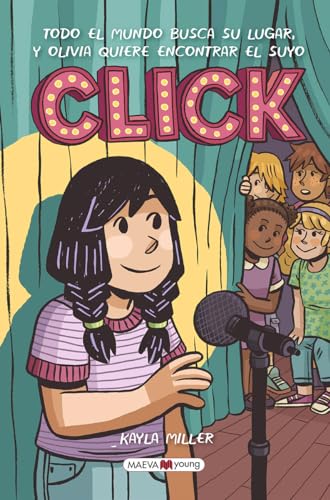


Click series by Kayla Miller
*(Spanish editions available as: ¡Click!, ¡Campamento!, ¡Actúa!, ¡Sonríe!)
Why it works well as a middle grade Spanish graphic novel:
Kayla Miller’s Click series captures the ups and downs of middle school life — from friendship struggles to summer camp nerves — in a way that feels honest and empowering. These Spanish graphic novels feature short, dialogue-driven text supported by clear visuals, making them an excellent choice for Spanish learners and middle grade readers alike.
Key details:
- Themes: Friendship, social dynamics, identity, confidence
- Language complexity: Beginner to intermediate — short sentences and conversational Spanish
- Illustrations: Full-color with expressive characters that reinforce meaning
- Best for: Ages 8–12; great for school settings or kids navigating friendship changes
- Notes for nonnative speakers: Easy to follow with strong visual context and simple dialogue — a great starter Spanish book for kids new to graphic novels


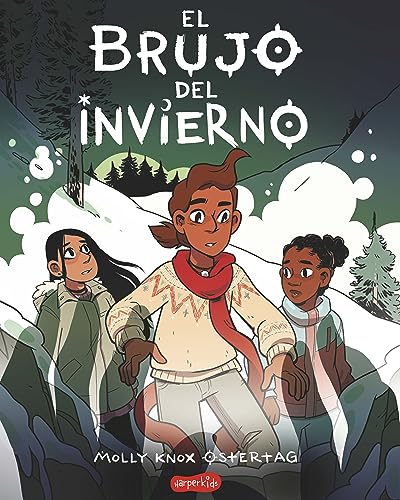
El Niño Brujo series by Molly Knox Ostertag
*(Spanish editions available as: El Niño Brujo)
Why it works well as a middle grade Spanish graphic novel:
El Niño Brujo is a captivating fantasy series that follows a young boy discovering his magical heritage. This series combines folklore, adventure, and strong themes of identity and courage. The richly illustrated pages and engaging storyline make it a standout among middle grades graphic novels in Spanish.
Key details:
- Themes: Magic, family legacy, identity, bravery
- Language complexity: Intermediate — imaginative vocabulary with cultural elements
- Illustrations: Bold, colorful, and dynamic full-color art that supports the storytelling
- Best for: Ages 9–13; ideal for kids who enjoy fantasy and magical adventures
- Notes for nonnative speakers: Some unique vocabulary, but context clues and vivid illustrations help with comprehension — great for shared reading or confident independent readers

Supersorda by Cece Bell
*(Spanish edition of El Deafo)
Why it works well as a middle grade Spanish graphic novel:
Supersorda is a heartfelt and humorous Spanish graphic novel memoir that tells the story of Cece, a girl navigating life with hearing loss. This inspiring and relatable story uses clever visuals and honest storytelling to explore themes of disability, friendship, and self-acceptance. It’s an excellent choice for middle grade readers looking for diverse and meaningful Spanish books for kids.
Key details:
- Themes: Disability, friendship, self-acceptance, empowerment
- Language complexity: Intermediate — conversational language with some specialized vocabulary
- Illustrations: Simple, expressive black-and-white art that highlights emotions and humor
- Best for: Ages 9–13; perfect for readers interested in real-life stories and diverse experiences
- Notes for nonnative speakers: Visual storytelling supports understanding; great for shared reading or confident learners tackling more nuanced topics in Spanish


El Club de las Babysitters series by Ann M. Martin
*(Spanish editions of The Baby-Sitters Club)
Why it works well as a middle grade Spanish graphic novel:
El Club de las Babysitters is a beloved series that follows a group of friends running a babysitting business, dealing with friendship, responsibility, and growing up. These Spanish graphic novels for kids combine engaging stories with relatable characters, making them perfect for young readers developing their Spanish skills. The graphic novel format adds visual appeal, helping readers connect with the story and language.
Key details:
- Themes: Friendship, responsibility, community, growing up
- Language complexity: Beginner to intermediate — clear, straightforward language
- Illustrations: Full-color, modern and lively artwork that enhances comprehension
- Best for: Ages 8–12; great for both independent readers and classroom use
- Notes for nonnative speakers: Simple dialogue and visuals support vocabulary building; ideal for learners starting with Spanish books for kids in graphic novel format


Agallas series by Raina Telgemeier
*(Spanish editions of Smile, Sisters, Agallas)
Why it works well as a middle grade Spanish graphic novel:
Raina Telgemeier’s autobiographical series, starting with Agallas, shares honest, relatable stories about childhood challenges, family, and growing up. These Spanish graphic novels combine humor, heartfelt moments, and expressive art, making them excellent for middle grade readers learning Spanish. The accessible language and universal themes help engage both native speakers and learners.
Key details:
- Themes: Childhood fears, family relationships, resilience, self-discovery
- Language complexity: Beginner to intermediate — conversational, clear language
- Illustrations: Full-color, expressive artwork that supports the story and emotions
- Best for: Ages 8–13; perfect for readers looking for real-life stories in Spanish books for kids
- Notes for nonnative speakers: Easy-to-understand dialogue and strong visuals make it great for shared reading or independent learners


Fantasmas & Drama by Raina Telgemeier
*(Spanish editions of Ghosts and Drama)
Why they work well as middle grade Spanish graphic novels:
Raina Telgemeier’s stand-alone novels Fantasmas and Drama offer rich, emotional stories that middle grade readers can connect with — now available as Spanish graphic novels. Both books explore themes of identity, belonging, and friendship, while remaining light-hearted and visually engaging. They’re ideal Spanish books for kids navigating real-life emotions and social dynamics.
Key details:
- Fantasmas (Ghosts):
- Themes: Family, illness, cultural heritage, Día de los Muertos
- Language complexity: Intermediate — includes cultural references and emotional dialogue
- Best for: Ages 9–13; especially meaningful for readers interested in Latinx culture or magical realism
- Notes: Introduces some culturally specific vocabulary, but strong visuals make it accessible
- Drama:
- Themes: Friendship, theater, crushes, LGBTQ+ inclusion
- Language complexity: Beginner to intermediate — casual, contemporary Spanish
- Best for: Ages 10–14; great for kids interested in the performing arts or navigating middle school friendships
- Notes: Straightforward language and visual storytelling make it a great entry point for independent reading in Spanish


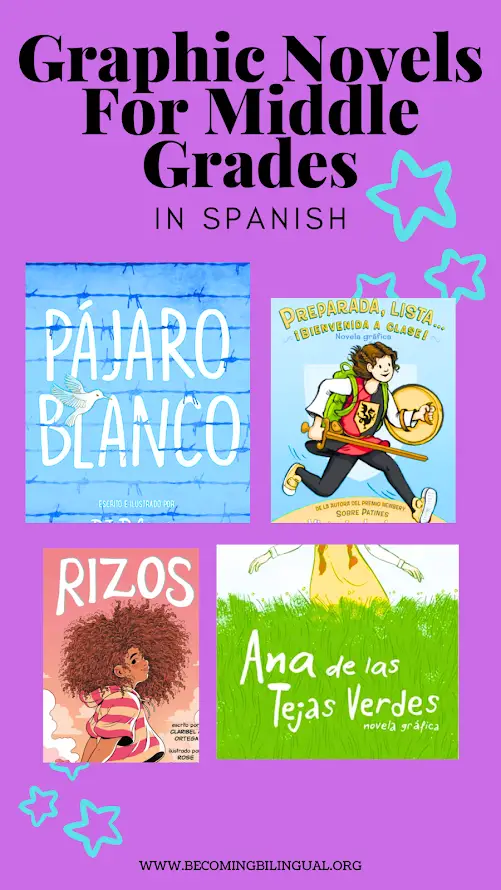
Sobre Patines, Preparada, lista… ¡bienvenida a clase!, and Cuando brillen las estrellas
by Victoria Jamieson
*(Spanish editions of Roller Girl, All’s Faire in Middle School, and When Stars Are Scattered)
Why these books work well as middle grade Spanish graphic novels:
Victoria Jamieson’s graphic novels offer empowering stories that blend humor, heart, and real-world challenges — all now available as Spanish graphic novels for middle grade readers. Whether it’s navigating new friendships, adjusting to unfamiliar schools, or facing displacement, each story speaks to kids learning to find their voice. These titles make excellent additions to any home or classroom Spanish library.
Key details:
- Sobre Patines (Roller Girl):
- Themes: Friendship, perseverance, sports, growing up
- Language complexity: Beginner to intermediate — clear, informal language
- Best for: Ages 9–13; great for kids who love stories about self-confidence and trying something new
- Notes: Simple dialogue and strong visuals make it great for language learners
- Preparada, lista… ¡bienvenida a clase! (All’s Faire in Middle School):
- Themes: Identity, fitting in, family, role-playing and fantasy
- Language complexity: Intermediate — playful language and some fantasy references
- Best for: Ages 10–14; ideal for kids dealing with transitions or feeling like outsiders
- Notes: Cultural references and visual humor support comprehension
- Cuando brillen las estrellas (When Stars Are Scattered)(co-authored with Omar Mohamed):
- Themes: Refugee experience, resilience, hope, family
- Language complexity: Intermediate to advanced — emotionally rich and based on a true story
- Best for: Ages 10+; excellent for older middle grade readers or classroom discussion
- Notes: More serious content, but illustrations provide support and emotional clarity; great for shared reading or thoughtful solo readers

Cuatro Ojos by Rex Ogle and Dave Valeza
*(Spanish edition of Four Eyes)
Why it works well as a middle grade Spanish graphic novel:
Cuatro Ojos is a funny, heartfelt graphic memoir about navigating middle school while trying to fit in — glasses, bullies, awkward moments and all. This Spanish graphic novel captures the anxiety and humor of growing up in the ’90s, making it both nostalgic for adults and super relatable for kids today. It’s a great option for readers looking for an honest, emotional story told with humor and heart.
Key details:
- Themes: Bullying, identity, family, self-acceptance, middle school
- Language complexity: Intermediate — informal, realistic dialogue
- Illustrations: Full-color, expressive artwork with lots of visual humor
- Best for: Ages 9–13; ideal for readers who enjoy memoirs and coming-of-age stories
- Notes for nonnative speakers: Conversational Spanish and visual context make it accessible for intermediate learners; great as a read-along for families or classroom read

Una arruga en el tiempo by Madeleine L’Engle
(Graphic novel adaptation in Spanish)
Why it works well as a middle grade Spanish graphic novel:
This Spanish graphic novel adaptation of A Wrinkle in Time brings Madeleine L’Engle’s classic sci-fi story to life with bold illustrations and accessible language. It follows Meg Murry, her brother Charles Wallace, and their friend Calvin on a mind-bending journey across space and time to rescue her father. The graphic novel format helps make complex ideas and rich vocabulary easier for Spanish learners to understand and enjoy.
Key details:
- Themes: Science fiction, family, courage, good vs. evil
- Language complexity: Intermediate to advanced — includes abstract concepts and some higher-level vocabulary
- Illustrations: Dramatic, full-color panels that clarify plot and emotion
- Best for: Ages 10–14; especially appealing to fans of fantasy and science fiction
- Notes for nonnative speakers: Great as a shared reading experience or for advanced readers looking to stretch their Spanish comprehension; visuals support difficult vocabulary

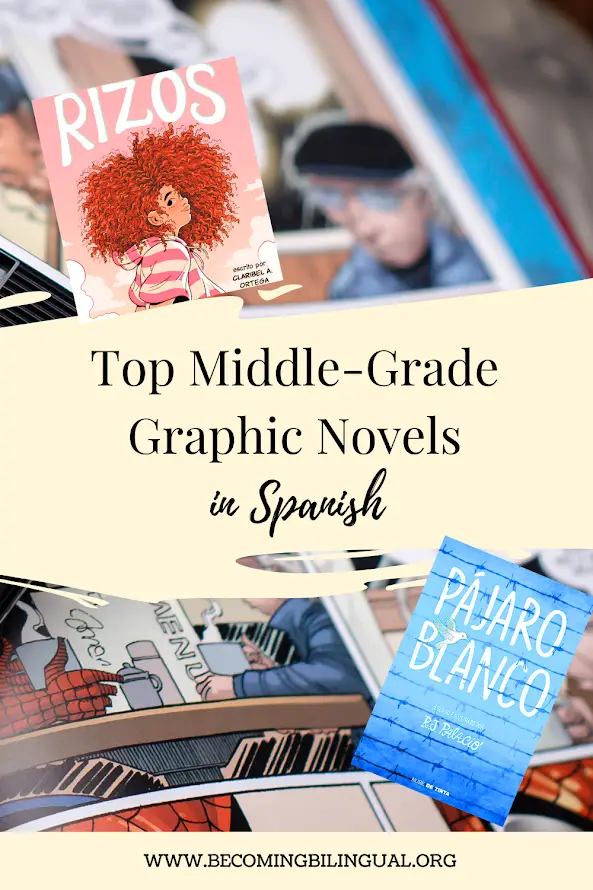
Pájaro Blanco by R.J. Palacio
*(Spanish edition of White Bird)
Why it works well as a middle grade Spanish graphic novel:
Pájaro Blanco is a moving historical graphic novel from the author of Wonder. It tells the story of a young Jewish girl hidden from the Nazis in Nazi-occupied France. This beautifully illustrated Spanish graphic novel blends history, humanity, and hope, offering readers a powerful lesson in compassion and courage. It’s ideal for older middle grade readers ready to engage with deeper themes in Spanish.
Key details:
- Themes: Holocaust, kindness, bravery, resistance, memory
- Language complexity: Intermediate to advanced — formal narrative style with historical vocabulary
- Illustrations: Full-color and emotionally rich; detailed settings enhance understanding
- Best for: Ages 11+; excellent for classroom discussions or thoughtful, mature readers
- Notes for nonnative speakers: Strong visuals and slow pacing make it accessible, even with advanced vocabulary; best as a guided or shared reading experience

Ana de las Tejas Verdes by Mariah Marsden
*(Spanish graphic novel adaptation of Anne of Green Gables)
Why it works well as a middle grade Spanish graphic novel:
This beautifully adapted version of Anne of Green Gables brings the classic story of Ana Shirley to life in a warm and visually rich Spanish graphic novel. It’s a gentle, character-driven tale filled with imagination, friendship, and heart — ideal for middle grade readers who love timeless stories and poetic language.
Key details:
- Themes: Imagination, belonging, found family, self-expression
- Language complexity: Intermediate — lyrical and descriptive, but approachable
- Illustrations: Soft, watercolor-style full-color artwork that supports tone and understanding
- Best for: Ages 9–13; perfect for readers who enjoy character-driven, emotional stories
- Notes for nonnative speakers: Some older-fashioned phrasing, but visuals help clarify meaning; a lovely choice for shared reading or advanced independent learners

Rizos by Claribel A. Ortega
*(Spanish edition of Frizzy)
Why it works well as a middle grade Spanish graphic novel:
Rizos is a powerful and empowering story about embracing your natural hair, identity, and heritage. Written by Dominican American author Claribel A. Ortega and beautifully illustrated by Rose Bousamra, this Spanish graphic novel explores themes of self-love, family expectations, and cultural pride. It’s perfect for kids navigating self-image and learning to celebrate who they are — in any language.
Key details:
- Themes: Identity, self-acceptance, cultural beauty standards, family
- Language complexity: Intermediate — emotional dialogue with accessible vocabulary
- Illustrations: Full-color, expressive artwork that brings emotion and meaning to every scene
- Best for: Ages 9–13; ideal for readers exploring cultural identity or looking for diverse Spanish books for kids
- Notes for nonnative speakers: Realistic dialogue and clear visuals make this a great choice for Spanish learners; especially effective as a read-aloud with discussion

Caty la cuidadora de gatos by Stephanie Yue and Colleen AF Venable
*(Spanish edition of Katie the Catsitter)
Why it works well as a middle grade Spanish graphic novel:
Caty la cuidadora de gatos is a fun, fast-paced Spanish graphic novel about friendship, responsibility, and 217 extremely mischievous cats. With a relatable main character, superhero mystery, and plenty of laugh-out-loud moments, this book is perfect for middle grade readers — especially those who enjoy quirky humor and animal adventures.
Key details:
- Themes: Friendship, independence, responsibility, superheroes
- Language complexity: Beginner to intermediate — casual, kid-friendly dialogue
- Illustrations: Full-color, energetic art packed with visual humor and detail
- Best for: Ages 8–12; great for animal lovers, graphic novel fans, and reluctant readers
- Notes for nonnative speakers: Easy to follow thanks to clear visuals and simple sentence structure; excellent choice for independent or shared reading in Spanish
Benefits of Graphic Novels for Learning Spanish
Graphic novels are a fantastic way to get kids excited about reading — in any language. With captivating stories, vivid illustrations, and memorable characters, they create an immersive reading experience that holds a child’s attention.
When it comes to learning Spanish, graphic novels in Spanish offer unique advantages for developing language skills. They combine text and visuals to support comprehension and build confidence, especially for new or reluctant readers.
Here’s why Spanish graphic novels are such effective tools for language learning:
🖼️Context clues from images
The artwork helps readers infer the meaning of unfamiliar words and phrases without needing constant translation.
💬 Natural dialogue and idiomatic expressions
Kids are exposed to everyday Spanish as it’s actually spoken — full of useful conversational language, slang, and idioms.
📖 Great for reluctant or struggling readers
Middle grades graphic novels are less intimidating than traditional chapter books. Short bursts of text and engaging visuals keep kids motivated.
🧠 Repetition and visual support for vocabulary building
Key words and phrases are often repeated across pages and series, reinforcing meaning and memory through visual storytelling.
🚀 Boosts confidence and independence
For kids (or parents!) who are still learning, graphic novels offer a more accessible entry point into Spanish books for kids.
By making Spanish reading fun, accessible, and visually engaging, graphic novels can play a powerful role in bilingual education at home or in the classroom.
What Are ‘Middle Grade’ Graphic Novels
I have previously written about Spanish graphic novels that I’ve read and enjoyed. As I continue to explore and read more graphic novels in Spanish, I realized that it would be helpful to separate the ones that I’ve enjoyed into categories of “middle grade graphic novels” and “Spanish graphic novels for adults”.
Middle grade graphic novels tend to focus more on school themes, friendship, school drama, coming of age, etc. Adult graphic novels can really explore any theme, but may have more mature content or images.
Today I’m sharing my top picks for middle grade graphic novels. I’m labeling them as “middle grades” because most of the characters are around that age, 11/12 and the themes tend to be coming of age stories.
However, they are not just for middle school readers and can be enjoyed by younger and older audiences as well!
Do you have any favorite Spanish middle grade graphic novels? Share them in the comments!
Happy Learning!
Don’t forget to subscribe here and get my latest posts and resources delivered straight to your inbox!
4 thoughts on “Top Middle Grade Graphic Novels in Spanish”