5+ Great Spanish Graphic Novels
Last Updated on August 1, 2025 by Reina Victoria
Graphic novels in Spanish are a great way to supplement language learning for so many reasons!
When I started to learn Spanish I wanted to read Spanish books, but found that it was too hard to jump into a Spanish novel and that there weren’t many easy Spanish readers that were interesting for adults or teens.
My first Spanish graphic novel was “Fantasmas” by Raina Telegmeier and it was a game changer! Reading a graphic novel in Spanish was a way to make Spanish reading easy and accessible for me as a Spanish language learner.
In this article I’ll go through the ways that reading graphic novels in Spanish can be a valuable resource to boost your language skills and I’ll share some of my top picks for Spanish graphic novels and what I like about them.
This post contains affiliate links. If you click an affiliate link and make a purchase, I earn a small commission which supports this blog at no additional cost to you. Please see the Privacy Policy for details. Thank you for supporting me!
Table of Contents
How can graphic novels help you learn Spanish?
Graphic novels in Spanish are an excellent resource for anyone learning the language—especially adults and parents like me who are building fluency alongside their children. They combine engaging storytelling with visual support, making them more accessible than traditional chapter books or novels.
When you’re just starting to read in Spanish, diving into a full-length novel can feel overwhelming. You might encounter unfamiliar vocabulary on every page, and having to stop constantly to look up words can interrupt the flow and make reading frustrating. That’s where Spanish graphic novels shine.
Because graphic novels rely heavily on illustrations, the visual context helps readers follow the story even if they don’t understand every word. You’re not just decoding text—you’re interpreting facial expressions, body language, and visual cues that support comprehension.
Most graphic novels in Spanish use dialogue to move the plot forward. This is a huge advantage for language learners because it exposes you to conversational Spanish, including common idioms, slang, and informal expressions. You’ll often see verbs conjugated in the tú form, which helps you get comfortable with everyday speech patterns. Many of the phrases you pick up in these books can easily be reused in real-life conversations.
Another benefit is that graphic novels tend to be fun and fast-paced. They’re especially appealing if you’re looking for something more engaging than a textbook, but not quite ready for dense literary prose. For adult learners who might feel out of place reading children’s books, Spanish graphic novels offer a happy medium—interesting stories, culturally rich content, and language that feels relevant.
Spanish graphic novels are also a great way to introduce younger audiences to reading in Spanish. If you’re a fan of graphic novels aimed at younger readers, you might also enjoy exploring my favorite selection of beginner graphic novels for kids!
The best Spanish graphic novels to read
In recent years there have been more graphic novels in Spanish that have been published. When you’re looking for a good fit book, it’s important to think about a few details.
Do you want a story that you already know in English that has been translated into Spanish or an original story told in Spanish? Are you looking for a story that was originally printed as a graphic novel or one that has been adapted?
Here are my top picks for graphic novels in Spanish. I hope that you find something that fits your Spanish reading preference and if you have any other suggestions let me know!
Recommended For You: Graphic Novels for Beginning Readers

Drácula – Clásicos en Cómic (Usborne)
By Russell Punter and Valentino Forlini
(Spanish edition of Dracula: Graphic Classic, adapted from Bram Stoker’s novel)
Why it works well as a Spanish graphic novel for adult learners:
This adaptation of Drácula is part of the Clásicos en Cómic series from Usborne, which brings literary classics to life in an accessible visual format. It’s ideal for Spanish learners who are curious about classic literature but aren’t ready to tackle full-length novels in Spanish yet. The graphic format offers a simplified retelling with atmospheric illustrations, making it easier to follow the storyline while still engaging with elevated vocabulary and gothic tone.
Key details:
- Themes: Good vs. evil, fear, loyalty, the supernatural
- Language complexity: Intermediate — formal narration with manageable sentence structure and familiar story context
- Illustrations: Moody, detailed illustrations help set the tone and support comprehension of dramatic scenes
- Best for: Adult Spanish learners who enjoy classic literature or gothic stories, and want a scaffolded way to read in Spanish
- Notes for nonnative speakers: The text is more formal than conversational but simplified compared to the original novel; visuals and familiar plot structure make it accessible for language learners

Arrugas
By Paco Roca
(Originally published in Spanish)
Why it works well as a Spanish graphic novel for adult learners:
Arrugas (Wrinkles) is a powerful and emotionally resonant story set in a retirement home, focusing on the growing friendship between two elderly men—one of whom is in the early stages of Alzheimer’s. It’s a standout example of a graphic novel in Spanish that blends rich storytelling with accessible dialogue. For learners, it offers a window into everyday Spanish while introducing vocabulary around aging, memory, and care—all supported by expressive visuals that make comprehension easier, even during more complex emotional moments.
Key details:
- Themes: Aging, memory loss, dignity, friendship, empathy
- Language complexity: Intermediate to advanced — includes natural dialogue, some medical terms, and subtle emotional nuance
- Illustrations: Soft, realistic, and emotionally expressive; they provide strong visual cues that aid understanding
- Best for: Adult learners interested in human stories and slower-paced narratives with depth
- Notes for nonnative speakers: While some sections include advanced vocabulary, the combination of visual storytelling and familiar interpersonal themes makes this a manageable and meaningful choice for learners focused on learning Spanish through literature

El libro del cementerio
By Neil Gaiman (graphic novel adaptation)
(Spanish edition of The Graveyard Book)
Why it works well as a Spanish graphic novel for adult learners:
El libro del cementerio offers a captivating mix of fantasy, mystery, and adventure, making it a great option among Spanish graphic novels for adult learners. The story follows a boy raised by ghosts in a cemetery, blending supernatural elements with themes of growth and identity. The graphic novel format breaks down the narrative into manageable chunks of dialogue and narration, supported by atmospheric illustrations that enhance understanding. This makes it ideal for those learning Spanish who want an engaging, genre-rich reading experience without the challenge of dense prose.
Key details:
- Themes: Coming of age, supernatural, identity, adventure, family
- Language complexity: Intermediate — conversational with some literary touches and fantasy vocabulary
- Illustrations: Moody, detailed artwork that vividly brings the eerie setting and characters to life
- Best for: Adult learners who enjoy fantasy stories and graphic novels that combine mystery with emotional depth
- Notes for nonnative speakers: The visuals provide strong context clues, helping with comprehension; suitable for readers wanting to expand vocabulary in storytelling and fantasy genres


Agallas
By Raina Telgemeier
*(Spanish edition of Guts)
Why it works well as a Spanish graphic novel for adult learners:
Although Agallas is technically a middle grade title, it resonates with readers of all ages through its honest portrayal of anxiety, health, and growing up. The simple yet expressive language makes it especially useful for adults who are learning Spanish and want to build fluency without feeling overwhelmed. Raina Telgemeier’s conversational writing style and clear emotional tone make the book both engaging and approachable—perfect for readers looking to ease into Spanish graphic novels.
Key details:
- Themes: Anxiety, mental health, self-confidence, growing up
- Language complexity: Beginner to intermediate — natural, everyday dialogue with accessible vocabulary
- Illustrations: Bright, expressive artwork that clearly conveys emotion and supports comprehension
- Best for: Adults or teens learning Spanish who prefer relatable, slice-of-life stories; ideal for easing into graphic novels in Spanish
- Notes for nonnative speakers: Very learner-friendly—lots of visual context, short sentences, and clear emotional cues; excellent for independent reading or reading aloud to practice pronunciation
Recommended For You: Spanish Graphic Novels for Young Adults

Habla María
By Bernardo Fernández (Bef)
(Originally published in Spanish)
Why it works well as a Spanish graphic novel for adult learners:
Habla María is a touching memoir in graphic novel form, where Mexican author and artist Bernardo Fernández shares his experience parenting a daughter with autism. The storytelling is tender, honest, and visually rich, making it a compelling read for Spanish learners seeking authentic content with emotional and cultural resonance. The text blends everyday Spanish with moments of introspection, providing a realistic and heartfelt glimpse into family life in Mexico. This is one of those Spanish graphic novels that sticks with you—not just for the story, but for what it teaches you about both language and human connection.
Key details:
- Themes: Autism, parenting, neurodiversity, acceptance, family
- Language complexity: Intermediate — mostly conversational Spanish with some reflective and descriptive passages
- Illustrations: Black-and-white line drawings that are expressive and intimate; they clarify mood and context
- Best for: Adult Spanish learners interested in memoirs, parenting stories, or neurodiversity topics
- Notes for nonnative speakers: Contains some regional Mexican vocabulary, but the visual storytelling and emotional tone provide strong support; great for practicing real-world Spanish with depth


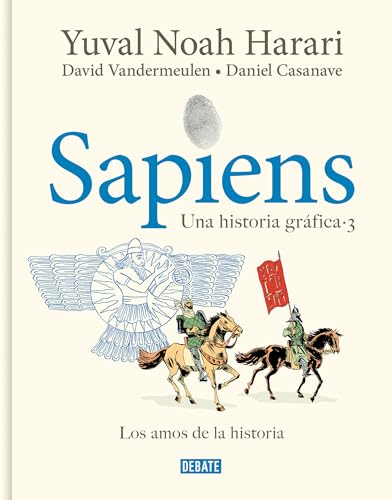
Sapiens: Una historia gráfica
By Yuval Noah Harari, adapted by David Vandermeulen and Daniel Casanave
*(Spanish graphic novel edition of Sapiens: A Graphic History)
Why it works well as a Spanish graphic novel for adult learners:
This graphic novel in Spanish distills Harari’s thought-provoking history of humankind into a visual format that’s easier to follow—without sacrificing depth. With the help of dynamic illustrations and a touch of humor, complex ideas about evolution, society, and culture become more digestible. For Spanish learners, this is a powerful way to engage with academic-style content while improving reading comprehension, especially for those at an intermediate or advanced level.
Key details:
- Themes: Human evolution, anthropology, civilization, politics, science
- Language complexity: Advanced — includes historical, scientific, and philosophical vocabulary; formal tone
- Illustrations: Informative and often playful visuals that break down complex concepts and add narrative clarity
- Best for: Upper-intermediate to advanced Spanish learners who enjoy nonfiction, big-picture thinking, and challenging material
- Notes for nonnative speakers: Rich vocabulary and long passages may require slower reading, but the visual explanations offer support; great for learners wanting to push into more academic Spanish while still enjoying a graphic novel format

Nos llamaron enemigo
By George Takei, Justin Eisinger, Steven Scott, and Harmony Becker
*(Spanish edition of They Called Us Enemy)
Why it works well as a Spanish graphic novel for adult learners:
Nos llamaron enemigo is a compelling memoir that recounts George Takei’s childhood experience in Japanese American internment camps during World War II. This graphic novel in Spanish blends personal history with broader social themes, offering learners a chance to engage with emotionally charged storytelling and culturally significant topics. The text uses accessible yet meaningful language, often grounded in dialogue and narration, making it ideal for those learning Spanish who want to explore real-world history through an engaging, visual medium.
Key details:
- Themes: Injustice, racism, identity, resilience, family
- Language complexity: Intermediate to advanced — conversational with some historical and legal terminology
- Illustrations: Detailed and evocative black-and-white artwork that enhances understanding and emotional impact
- Best for: Adult Spanish learners interested in memoirs, social justice, and historical narratives
- Notes for nonnative speakers: Some historical vocabulary may be new, but visuals and context provide helpful support; excellent for learners seeking depth in both language and content

Persépolis
By Marjane Satrapi
(Originally published in French, widely available in Spanish translation)
Why it works well as a Spanish graphic novel for adult learners:
Persépolis is an acclaimed autobiographical graphic novel that chronicles Marjane Satrapi’s childhood and early adulthood during and after the Iranian Revolution. The Spanish edition brings this compelling story to Spanish learners who want to engage with meaningful themes like identity, politics, and resilience through a visually expressive medium. The clear, black-and-white illustrations provide important context that supports comprehension, while the dialogue and narration use accessible, conversational Spanish. This makes Persépolis a top pick among Spanish graphic novels for adult learners seeking both cultural depth and language practice.
Key details:
- Themes: Identity, revolution, exile, family, freedom
- Language complexity: Intermediate — conversational and narrative text with some cultural references
- Illustrations: Stark, bold black-and-white drawings that emphasize mood and story context
- Best for: Adult learners interested in autobiographical stories and historical context
- Notes for nonnative speakers: Visual storytelling greatly aids comprehension; some cultural and historical references might require additional research, but overall very learner-friendly

Rosa Parks
By Mariapaola Pesce
(Spanish edition)
Why it works well as a Spanish graphic novel for adult learners:
This graphic novel tells the inspiring story of Rosa Parks, whose courageous refusal to give up her bus seat became a pivotal moment in the American civil rights movement. The Spanish edition offers learners an accessible way to explore this historical event through vivid illustrations and clear, straightforward language. It’s an excellent example of how Spanish graphic novels can combine educational content with language learning, providing rich vocabulary related to social justice, history, and activism.
Key details:
- Themes: Civil rights, activism, courage, equality, social justice
- Language complexity: Intermediate — clear, direct narration with conversational dialogue
- Illustrations: Colorful and engaging artwork that supports historical context and emotions
- Best for: Adult Spanish learners interested in biography, history, and social justice topics
- Notes for nonnative speakers: Language is accessible with strong visual cues; perfect for building vocabulary around activism and historical narratives

Nimona
By Noelle Stevenson
(Spanish edition)
Why it works well as a Spanish graphic novel for adult learners:
Nimona is a vibrant, fast-paced graphic novel blending fantasy, humor, and action. Its conversational and playful language makes it highly approachable for Spanish learners looking for something entertaining and modern. The dialogue-heavy format features lots of informal speech, slang, and idiomatic expressions, which provide valuable practice in understanding everyday Spanish. The bold, expressive illustrations also help clarify the plot, making it easier to follow for learners who want to improve their skills with a fun and engaging story.
Key details:
- Themes: Friendship, identity, heroism, rebellion, humor
- Language complexity: Intermediate — informal, conversational language with slang and idioms
- Illustrations: Colorful, dynamic, and expressive artwork that supports comprehension and adds humor
- Best for: Adult learners who want a lighthearted, modern story with everyday language practice
- Notes for nonnative speakers: Strong visual cues and dialogue-driven narrative make it accessible; great for practicing colloquial Spanish in a casual setting

La magia del orden. Una novela ilustrada
By Marie Kondo
(Spanish illustrated novel edition)
Why it works well as a Spanish graphic novel for adult learners:
This illustrated novel adaptation of Marie Kondo’s bestselling The Life-Changing Magic of Tidying Up combines narrative elements with practical guidance on decluttering and organizing. It’s an excellent choice for Spanish learners who want to engage with everyday vocabulary and phrases related to home life, habits, and personal growth, all within a visually appealing format. The conversational tone and clear illustrations make it a motivating and manageable read, perfect for adults interested in both self-improvement and learning Spanish through a graphic novel style.
Key details:
- Themes: Organization, mindfulness, personal growth, habits
- Language complexity: Beginner to intermediate — clear, straightforward language with practical vocabulary
- Illustrations: Light, charming visuals that support understanding and highlight key concepts
- Best for: Adult learners who enjoy nonfiction and want practical language skills alongside reading practice
- Notes for nonnative speakers: Easy to follow thanks to simple language and helpful illustrations; great for learners looking to apply Spanish in everyday life contexts

El Diario de Anne Frank (novela gráfica)
By Ari Folman and David Polonsky
(Spanish edition of The Diary of Anne Frank: The Graphic Adaptation)
Why it works well as a Spanish graphic novel for adult learners:
This graphic novel adaptation brings Anne Frank’s iconic diary to life with vivid illustrations and accessible language, making it an impactful choice among Spanish graphic novels for adult learners. The mix of personal narrative and historical context helps readers connect emotionally while expanding their vocabulary related to history, war, and human resilience. The clear artwork provides crucial visual context that aids comprehension, especially for learners who want to tackle more serious themes through an engaging format.
Key details:
- Themes: War, resilience, hope, identity, human rights
- Language complexity: Intermediate — straightforward narration and dialogue with some historical terminology
- Illustrations: Expressive, detailed art that captures the mood and period setting
- Best for: Adult learners interested in history, memoirs, and human rights stories
- Notes for nonnative speakers: Visual storytelling supports understanding of complex historical themes; great for learners ready to engage with emotionally rich and culturally important material
More Novelas Graficas
Here are some more favorite graphic novels that we have in Spanish. Some of these are more for pre-teen or middle school audiences as opposed to adult so I added them here.
While they may target younger readers, I still recommend all of them as quality reads and great for working on your Spanish language skills. If you’re interested in those geared towards a young adult audience, head over to my post about the best young adult graphic novels for a follow up!
If you’re looking for some great Spanish graphic novels for even younger readers, check out my top picks here!

A great introduction to the celebration of quinceanera for those who don’t know it! Originally written as a graphic novel by Kat Fajardo.

A story about growing up and working with an intense pet allergy-this is a cute story. Also originally written as a graphic novel by Megan Wagner Lloyd.

Based on her own childhood of growing up deaf, Cece Bell wrote this original graphic novel to share her story.
Reading in Spanish with a graphic novel is a great way to improve your reading skills and your comprehension. Have you read one of these graphic novels? Leave me a comment!
Happy Learning!
Don’t forget to subscribe here so you can get my latest posts and resources delivered right to your inbox!


Brilliant idea. Reading is a great way to immerse yourself in a language and graphic novels will be more manageable than a whole book. Off to add these titles to my Christmas wish list. Any suggestions of where to purchase from UK?
Yes, definitely more manageable than a whole chapter book, but just as engaging 🙂 I think that Amazon and Usborne both ship to the UK. I’d also look into lacasadellibro.com which has a huge selection of Spanish books and ships in the UK as well, I believe.